

Quality Software
Working to the highest standard with continuous testing and review throughout the software development lifecycle
Delivered on Time
Adopting agile methodologies with sprints and continuous deployment to deliver incremental demos for customer feedback
Within Budget
Providing detailed requirements analysis to produce accurate time estimates and milestones to deliver a cost effective solution
What We Do
Web
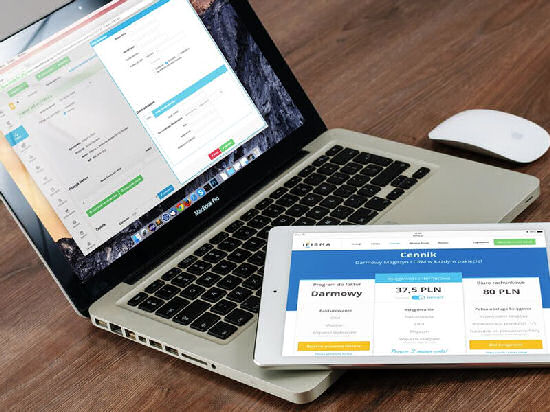
Cross-platform, responsive and accessible web solutions using the latest web technologies including .Net Core, Angular, React and VueJs.

Mobile
Native mobile and tablet apps for Apple, Android and Windows using Xamarin, React Native and NativeScript with a variety of features.

Cloud
Cloud infrastructure setup using AWS, Azure or Google cloud platforms to provide robust and scalable software solutions.

Data
Data stored securely in the cloud using a variety of popular relational and object database solutions.
Services
Software Solutions
Delivering bespoke software solutions through the entire software development lifecycle using the latest agile methodologies, technology and cloud infrastructure.
Consultancy
Our expert team can review your project architecture, infrastructure and agile processes to improve collaboration and increase team velocity.
Training
Let us train your team to level up new skills and increase confidence and proficiency in delivering quaility production code using the latest technology.
Our Clients














Contact Us
Send us a message with brief details of what you are looking for and we'll get back to you.